The Working Dog in Your Living Room
Every dog, from Chihuahuas to Great Danes, carries the genetic blueprint of a working animal. Many breeds were specifically developed to herd sheep, retrieve game, or guard property. Without outlets for these instincts, even the most pampered pet can develop behavioral problems that puzzle their owners.
When Good Dogs Act "Bad"
Excessive barking, destructive chewing, hyperactivity, and even aggression often stem from one root cause: a dog with a job drive and no job to do. Understanding this changes everything about how we address problem behaviors.
Turn Playtime Into a Job With Enrichment Toys
Not every “job” has to look like training drills or agility practice. For many dogs, simple enrichment toys and treat-based puzzles can provide the same sense of purpose.
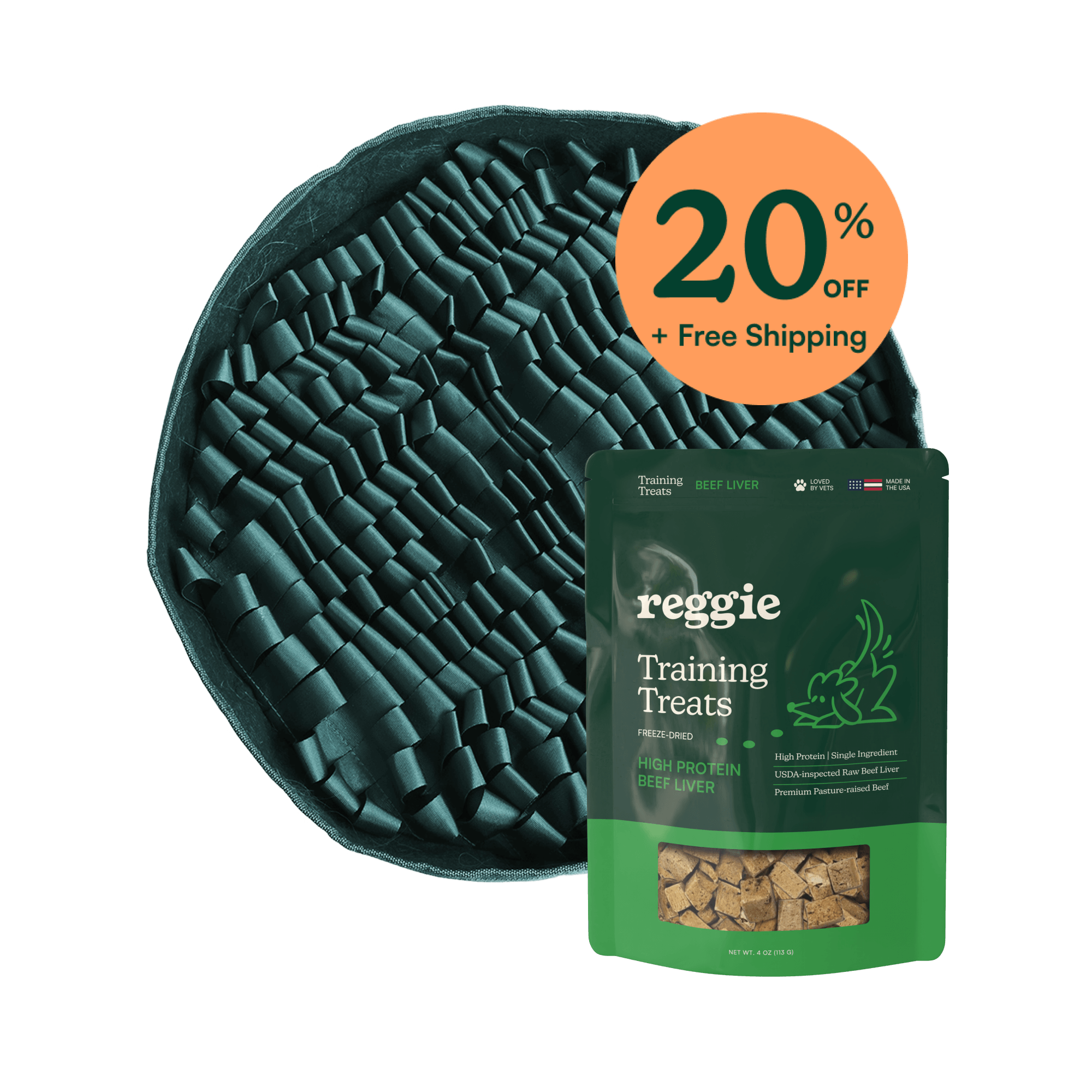
Interactive toys—such as feeder mats, foraging balls, or calming treat bone—require dogs to sniff, think, and problem-solve to earn their reward. These activities tap into natural instincts like hunting and foraging, turning mealtime or treat time into a satisfying task.
Mental enrichment like this does more than just entertain your dog. Research shows that cognitive activities and enrichment toys can reduce boredom-related behaviors and help lower stress levels by keeping dogs mentally engaged.
When dogs have a challenge to focus on, their energy is directed into something productive rather than unwanted behaviors like chewing furniture, barking, or digging.
For busy households, enrichment toys can be one of the easiest ways to give your dog a “job” every day. Simply hide high-value treats in a feeder mat or puzzle toy and let your dog work to uncover them.
9 Occupational Enrichment Ideas That Actually Work
1. Teach Specific Fetch Commands
Train your dog to retrieve named items like "leash," "ball," or "slippers." This taps into retrieving instincts while building vocabulary and purpose.
2. Create Scent Work Challenges
Hide treats or toys and teach your dog to "find it." This satisfies hunting and tracking instincts while providing mental stimulation.
3. Backpack Walks
Let your dog carry a lightweight backpack with their supplies. This gives working breeds a sense of purpose and can have calming effects.
4. DIY Agility Course
Use household items to create jumps, tunnels, and weave poles. This challenges both mind and body while building confidence.
5. Herding Ball Games
For herding breeds, a large ball they can push (but not pick up) mimics livestock herding behaviors.
6. Flirt Pole Training
A pole with a toy attached lets dogs safely chase and "catch" prey-like objects, satisfying hunting instincts.
7. Training Walks
Combine exercise with purpose by practicing commands during walks. This transforms routine exercise into engaging work.
8. Trick Training Sessions
Teaching new tricks isn't just cute - it gives your dog mental challenges and a sense of accomplishment.
9. Tug with Rules
Structured tug-of-war games that incorporate commands like "drop it" and "wait" provide physical outlet with mental discipline.
The Magic of Purpose
When you give your dog a job - even a simple one - you'll often see dramatic improvements in behavior. The destructive energy gets channeled into productive activity, and your dog feels fulfilled rather than frustrated.
Pair Mental Stimulation With Calming Support
Some dogs may struggle with restlessness or anxiety even when they get enough activity. In these cases, pairing enrichment with calming support can help create a more balanced routine.
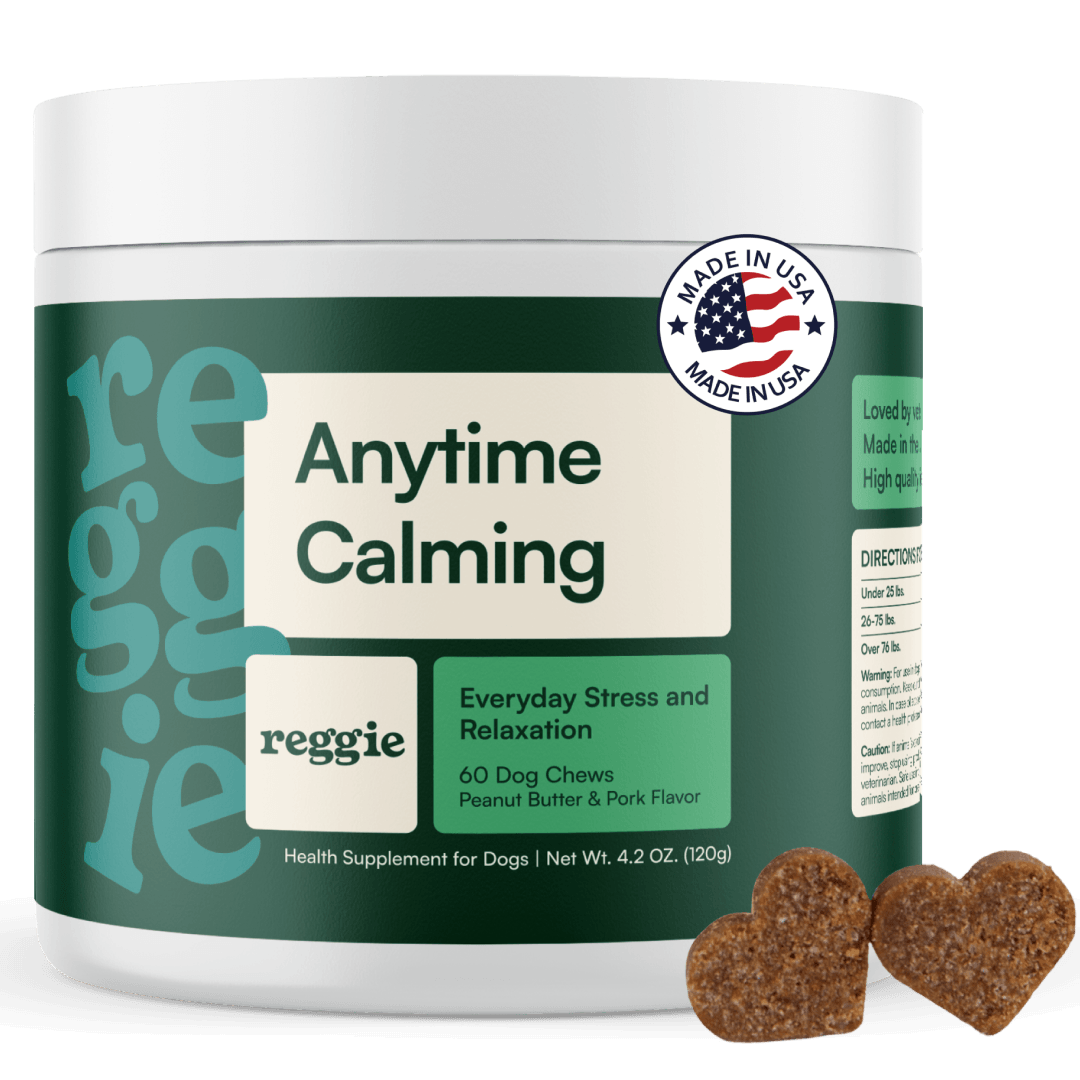
For example, offering Reggie's calming chew or spread inside a feeder toy turns relaxation into another task for your dog to focus on. The act of chewing itself can promote relaxation, while the challenge of accessing the reward keeps their brain engaged.
This combination of mental stimulation + calming support can be especially helpful during stressful moments such as thunderstorms, busy households, or when dogs are left alone for short periods.
Over time, these small daily “jobs” can make a big difference in helping your dog feel more fulfilled, focused, and relaxed.
Start Small, Think Big
Begin with one occupational activity and build from there. The goal isn't to exhaust your dog physically, but to satisfy their need for meaningful work.
Your dog doesn't need a farm to feel fulfilled - they just need a purpose.