Walk down the pet aisle and you'll find a supplement for almost everything — joints, digestion, skin, anxiety, immunity, aging. It's a lot. So if you've stood there wondering "does my dog actually need this, or am I just being a worried dog mom?" — you're asking exactly the right question.
Supplements Support a Need — They Don't Replace Good Nutrition
A complete, balanced diet already covers the essential nutrients a healthy dog needs for their life stage. Good nutrition starts with the basics: the right food, the right amount of it, a healthy body weight, regular movement, preventative vet care, and a lifestyle that supports your dog's body and mind.
But "doesn't need a supplement" and "can't benefit from extra support" aren't the same thing. Some dogs genuinely do better with a little targeted help — especially as their needs shift with age, activity, or individual health.
So When Might Your Dog Actually Benefit?
Your dog's needs aren't static. A young, energetic pup has different priorities than a senior napping through the afternoon. Here's what's worth thinking about:
🐕 Age & Life Stage
Puppies are building a body — they need nutrition that keeps up with that growth. Adult dogs are mostly maintaining what they've got. And once dogs start sliding into their senior years, priorities quietly shift toward muscle, mobility, and digestion holding steady.
🏃 Activity Level
A working dog, a trail dog, a dog who treats fetch as a full-time job — their joints and muscles are working harder than a dog who mostly supervises the backyard. That's usually where joint support and a bit of extra protein start to earn their keep.
🧬 Breed & Individual Risk
Breed can flag certain predispositions, but it's not the whole story — two dogs of the same breed can have completely different bodies, activity levels, and histories. Your dog, not their breed label, is what matters most.
🩺 Existing Health Concerns
If your dog has a diagnosed condition, talk to your vet before adding any supplement — some can interact with medications or aren't right for certain conditions. We'd rather you ask first than find out the hard way.
Five Areas Worth Supporting
Instead of trying to cover every possible thing (and overwhelming you in the process), we focus on five areas where the evidence and the everyday experience line up.
Hip & Joint Support
This one gets filed under "senior dog problem," but it really shouldn't be. Active dogs, dogs carrying a bit of extra weight, and dogs with breed-related risk factors can all benefit from getting ahead of joint support instead of waiting for the limp to show up.
The usual suspects here are glucosamine (a natural building block of cartilage), chondroitin (which works alongside it to keep cartilage healthy), and MSM (a sulfur compound that helps with joint comfort). It's the exact stack behind our Morning Hip + Joint Chews — we built them to help rebuild cartilage and tissue so dogs can stay active at pretty much any age.
Digestive & Probiotic Support
Your dog's gut isn't just about digestion — it's home to a whole ecosystem of microorganisms that's closely tied to their immune system too. A healthy gut also means a healthy mind, and balancing the GI microbiome has shown to reap a positive benefit for a pet’s emotional wellbeing.
Probiotics can offer real, targeted support here, but they're not a magic fix for every stomach issue a dog can have. Different strains do different jobs, so it's worth looking for something that actually tells you what's in it, not just "probiotic blend". Our Pumpkin Probiotic Powder uses 7-strain gut health blend plus real pumpkin — this board spectrum formula is better at supporting dog’s everyday gut health than other single probiotics on the market.
Always remember if your dog has ongoing diarrhea, vomiting, blood in the stool, sudden weight loss, or a real change in appetite, please go find out why it's happening first, get advice from the vet is always a good idea.
Calm and everyday stress
Dogs don't get to opt out of thunderstorms, fireworks, house guests, road trips, or the neighbor's new leaf blower. Some dogs shrug all of it off. Others visibly do not.
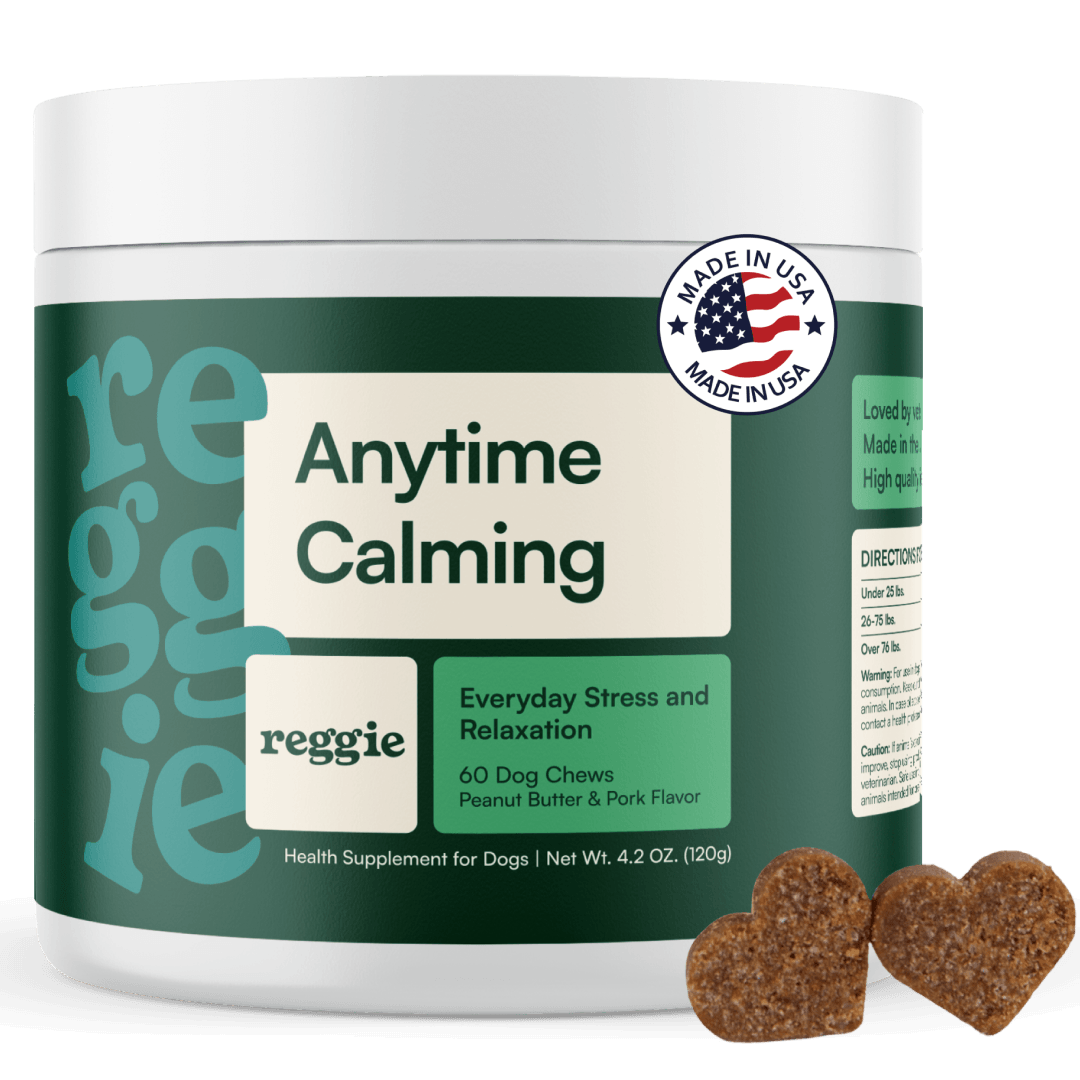
For dogs dealing with that kind of everyday situational stress, nutritional support can be one piece of a bigger approach — alongside environment, training, enrichment, and a routine they can actually predict. L-theanine shows up in a lot of calming formulas for exactly this reason, often alongside things like chamomile or passionflower. Our popular Calming range has several products that pair L-theanine with Magnolia and Phellodendron bark extracts or chamomile and passionflower to soothe and calm dogs from fireworks-and-visitors kind of stress.
Skin & Coat Support
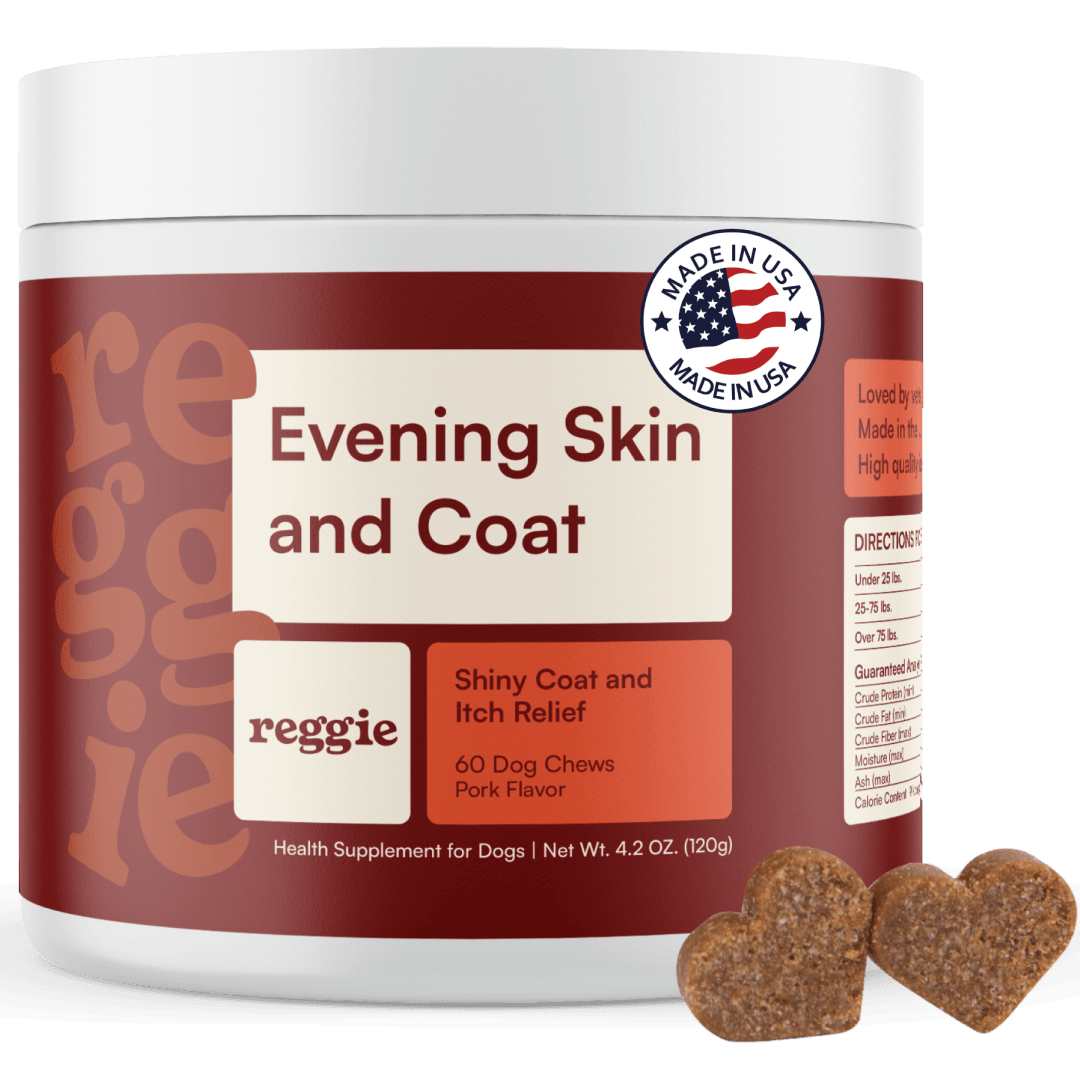
Your dog’s coat can be a pretty good reflection of their overall wellbeing. Omega-3s—especially EPA and DHA—are key nutrients for supporting healthy skin and a soft, shiny coat. That’s the thinking behind our Evening Skin + Coat Chews, which combine omega-3s with Vitamin E to provide daily nutritional support for healthy skin and a healthy-looking coat.
A dull coat, excess shedding, or dry, flaky skin may also come from other places too, such as allergies, parasites, environment, or something else going on underneath. Keeping this in mind and understanding the reason would help you make the right choice for your dog’s needs.
Support Through the Senior Years
One of the most common things we hear is: "My dog is getting older — what can I actually do to help?" Great question, and a genuinely proactive one.
As dogs age, it's worth keeping an eye on:
- Healthy body weight
- Muscle mass
- Mobility
- Dental health
- Healthy digestion
- Appetite and thirst changes
- Appropriate exercise
- Cognitive and emotional wellbeing
- Regular vet check-ins
Good senior care tends to be proactive rather than reactive — and a supplement can absolutely be part of that plan when it fits. For a lot of senior dogs, that ends up looking like our Morning Hip + Joint Chews, Pumpkin Probiotic Powder, and Morning Multivitamin Chews working together — covering joints, digestion, and the broader immunity and heart support that matters more with age.
The Bottom Line: Every Dog Is Different
Start with good nutrition. Keep the weight in a healthy range. Keep them moving. Give their brain something to do. Pay attention when something changes. Then, when there's an actual reason for it, add something targeted.
A supplement should sit alongside good vet care, and however you land on all this, we'd rather you feel confident about the decision than guilty for even asking the question in the first place.